Key Takeaways
- Vacant homes still cost money: Mortgage payments, property taxes, insurance, utilities, and maintenance continue even when nobody lives in the property. Extended vacancy can also increase the risk of damage and insurance complications.
- Renting can offset ownership expenses: Rental income can help cover ongoing costs while keeping the property occupied, although landlords must account for maintenance, tenant screening, legal compliance, and management responsibilities.
- The right decision depends on your goals: Salt Lake area homeowners should compare annual expenses, evaluate local rental demand, and review insurance and legal requirements before deciding whether to rent or leave a property vacant.
Owning a home you no longer occupy presents an important decision. Whether you’ve relocated for work, inherited a property, or moved into another home, you may be wondering whether renting it out or leaving it vacant makes more financial sense.
Keeping a property empty offers flexibility, but ongoing expenses and maintenance responsibilities don’t disappear. Renting can generate income, although it also introduces obligations.
At Keyrenter Salt Lake, we help property owners navigate these decisions through local market knowledge and professional property management services. Below, we’ll compare both options and explain what Salt Lake area homeowners should consider.
Curious What Your Property Could Be Worth?
What Does Leaving A Home Vacant Cost?
Even without occupants, a property continues generating expenses. Over several months, these costs can significantly affect your finances.

Common ongoing expenses include:
- Mortgage payments: Monthly payments remain due regardless of occupancy.
- Property taxes: Owners must continue paying applicable property taxes.
- Insurance: Coverage remains necessary, although extended vacancy may affect policy terms.
- Utilities: Heating, electricity, and water may be needed to protect the property.
- HOA fees: Association dues continue where applicable.
- Exterior maintenance: Landscaping, snow removal, and general upkeep remain necessary.
- Inspections: Regular property checks help identify problems before they become expensive.
Without rental income, owners must cover these costs entirely themselves.
A twelve-month expense estimate can illustrate the financial impact of leaving your home unoccupied.
Risks Associated With Vacant Properties
Beyond ongoing expenses, vacant properties can develop problems that go unnoticed without regular occupancy.
Some of the most significant risks include:
- Water damage: Undetected plumbing failures or roof leaks can cause extensive damage.
- Frozen pipes: Utah’s winter temperatures increase the risk of freezing and bursting pipes.
- Pests and mold: Unoccupied properties may develop infestations or moisture-related problems.
- Security concerns: Empty homes may be more vulnerable to trespassing or vandalism.
- Neglected maintenance: Unmanaged landscaping and snow accumulation can create problems.
Insurance is another important consideration. Some homeowner policies restrict coverage after a property remains vacant for a specified period.
Before leaving your home empty, contact your insurance provider to confirm coverage requirements and whether additional protection is necessary.
Benefits Of Renting Out Your Home
Renting can help transform an ongoing expense into a potentially income-producing property investment.

One primary advantage is rental income. Monthly rent can offset mortgage payments, taxes, insurance, and maintenance expenses. Depending on your property’s financial circumstances, it may also generate positive cash flow.
Occupancy offers additional benefits. Tenants can report maintenance concerns before they become serious, while regular activity may reduce certain risks associated with prolonged vacancy.
Renting also allows you to retain ownership while potentially benefiting from long-term property appreciation and mortgage principal reduction.
You may eventually decide to sell, continue renting, or return to the property yourself, subject to existing lease agreements and applicable laws.
At Keyrenter Salt Lake, we help owners pursue these benefits through professional leasing, tenant screening, maintenance coordination, and ongoing rental management.
Responsibilities That Come With Renting
Although renting offers financial opportunities, becoming a landlord involves responsibilities that homeowners should consider beforehand.
These include:
- Property preparation: Completing necessary cleaning, repairs, and safety improvements.
- Marketing and tenant screening: Advertising the rental and screening applicants consistently and thoroughly.
- Lease management: Preparing appropriate agreements and following applicable rental regulations.
- Maintenance: Coordinating routine repairs and responding to emergencies.
- Financial planning: Budgeting for vacancies, property upkeep, and unexpected expenses.
- Property management: Handling daily operations independently or hiring professional assistance.
Utah landlord-tenant laws govern important aspects of rental ownership, including deposits, notices, and lease requirements.
Homeowners should also review local regulations and HOA restrictions before advertising their properties.

Our team helps Salt Lake area owners manage many of these ongoing responsibilities while maintaining a professional rental experience.
Learn More About Our Services
Salt Lake Area Considerations
Local conditions influence whether renting or leaving a home vacant makes sense.
Salt Lake Valley experiences cold winters and warm, dry summers, each creating unique property maintenance requirements.
During winter, vacant homes require particular attention to heating, plumbing protection, and snow removal. Summer brings landscaping, irrigation, and cooling system considerations.
Rental demand also differs across communities such as Midvale, Sandy, Murray, Draper, and Salt Lake City.
Property type matters as well. Single-family homes, condos, and townhomes may appeal to different renters and carry different maintenance responsibilities or association restrictions.
Understanding your property’s location, condition, and rental potential can help you make a more informed decision.
Comparing The Financial Impact
Before choosing, we recommend creating a twelve-month financial comparison.
If you leave the property vacant, calculate your expected mortgage payments, taxes, insurance, utilities, HOA fees, inspections, landscaping, and maintenance expenses.
If you rent the property, estimate realistic rental income and subtract applicable ownership expenses, including expected vacancies, repairs, insurance, and management fees.
Remember that rental income isn’t guaranteed, and unexpected expenses can affect profitability.
If anticipated rent won’t cover your costs, consider whether retaining ownership still supports your long-term financial goals.
What If You Need To Leave Your Property Vacant?
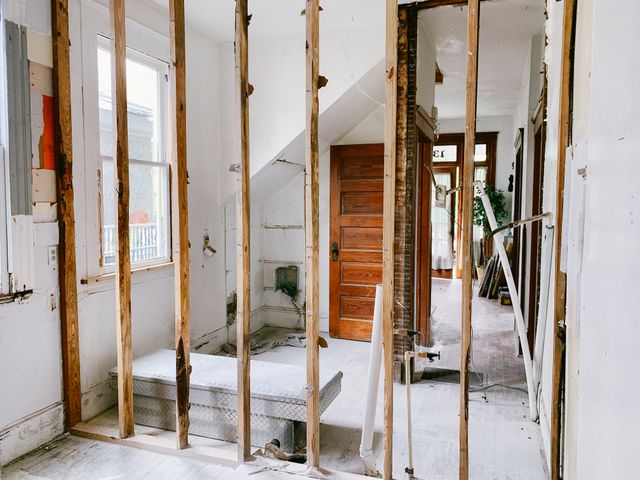
Sometimes keeping a home empty is unavoidable, particularly during renovations, relocations, or preparations for a future sale.
If vacancy is necessary, consider these precautions:
- Confirm vacancy-related insurance requirements.
- Maintain appropriate indoor temperatures during winter.
- Schedule regular interior and exterior inspections.
- Arrange landscaping and snow removal.
- Secure doors, windows, and entry points.
- Consult a plumber about winterization and water shutoff options.
- Keep records of inspections and maintenance.
These measures can reduce exposure to avoidable problems while you determine the property’s future.
Common Mistakes Homeowners Should Avoid
One common mistake is assuming that an empty property requires little attention. Without regular inspections, maintenance problems can become expensive before anyone discovers them.
Another is overlooking insurance requirements or underestimating annual holding costs.
Homeowners considering renting should also avoid setting prices without researching comparable properties or entering leases without understanding applicable legal obligations.
Taking time to evaluate your options and seek qualified guidance can prevent costly decisions.
Bottom Line
Choosing between renting your home and leaving it vacant depends on your finances, future plans, and willingness to manage the property.
Vacancy offers flexibility but creates continuing expenses and potential risks. Renting can provide income and keep the home occupied, although it requires ongoing management.
At Keyrenter Salt Lake, we help property owners evaluate rental opportunities and manage their investments with confidence.
Call 801-783-1300 or visit our website to learn more about our services or request a free rental analysis.
Each Keyrenter office is independently owned and operated.
Curious What Your Property Could Be Worth?
Frequently Asked Questions
Is It Cheaper To Leave My Home Empty Than To Rent It?
Not necessarily. Vacant homes still incur mortgage payments, property taxes, insurance, and maintenance costs without producing income. Renting introduces additional responsibilities but can help offset ownership expenses. Compare expected annual costs and rental income before deciding.
Does Vacancy Affect My Homeowner Insurance?
Yes, it can. Some insurance policies limit coverage when properties remain vacant for extended periods. Contact your insurer to understand applicable restrictions and determine whether specialized vacancy or landlord coverage is appropriate.
What Are The Biggest Risks Of Leaving A Home Vacant During Winter?
Frozen pipes, heating failures, undetected leaks, and neglected snow removal are major concerns during Utah winters. Maintaining appropriate heating, arranging inspections, and considering professional winterization can help protect your property.
What Should I Do Before Renting My Home?
Begin by completing necessary repairs, cleaning, and safety checks. Research comparable rental rates, establish a maintenance budget, and prepare appropriate leasing and screening procedures. Verify applicable Utah and local requirements before accepting tenants.
How Can Keyrenter Salt Lake Help Me Decide?
We offer a free rental analysis to help homeowners estimate their property’s rental potential. Our property management services also help owners handle leasing, tenant screening, maintenance coordination, and ongoing operations. Contact us at 801-783-1300 to explore your options.